Discover our private cosmetic dentistry experience

Skip to Main

Gum Disease Treatment

Periodontal Care

If you’ve been diagnosed with periodontal disease — or you’re simply worried about your gums — the most important thing to know is this: it’s preventable, and when caught early, it can be treated. There are two main types of gum disease, gingivitis and periodontitis, and understanding which you have is the first step towards a healthy, stable result.

Book a Consultation

Coffee Cup

Understanding gum disease

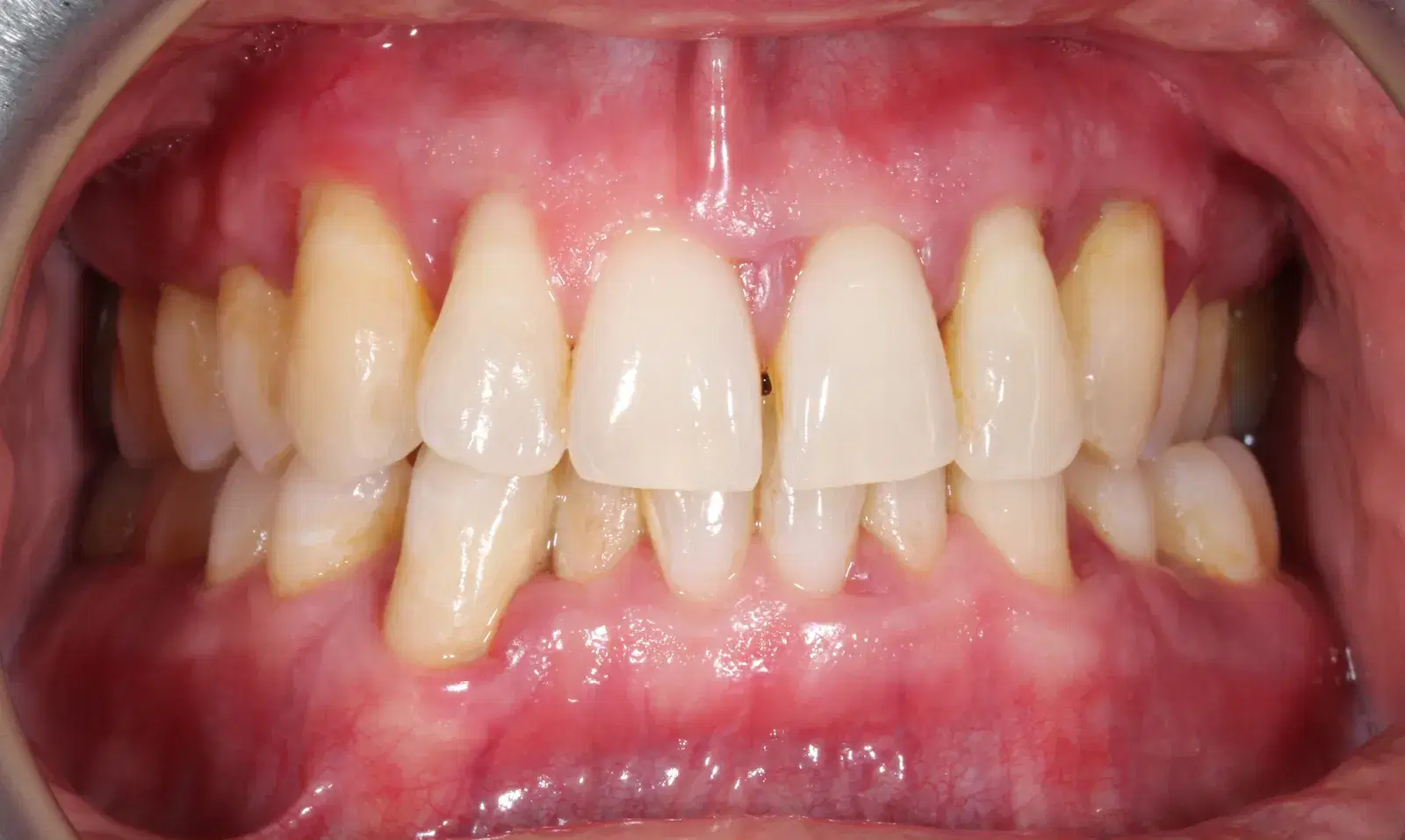
Gingivitis is inflammation of the gums caused by the bacteria found in dental plaque. The gums may look swollen, red and shiny, and they may bleed. Left untreated, gingivitis can progress into the more serious form of gum disease — periodontitis.

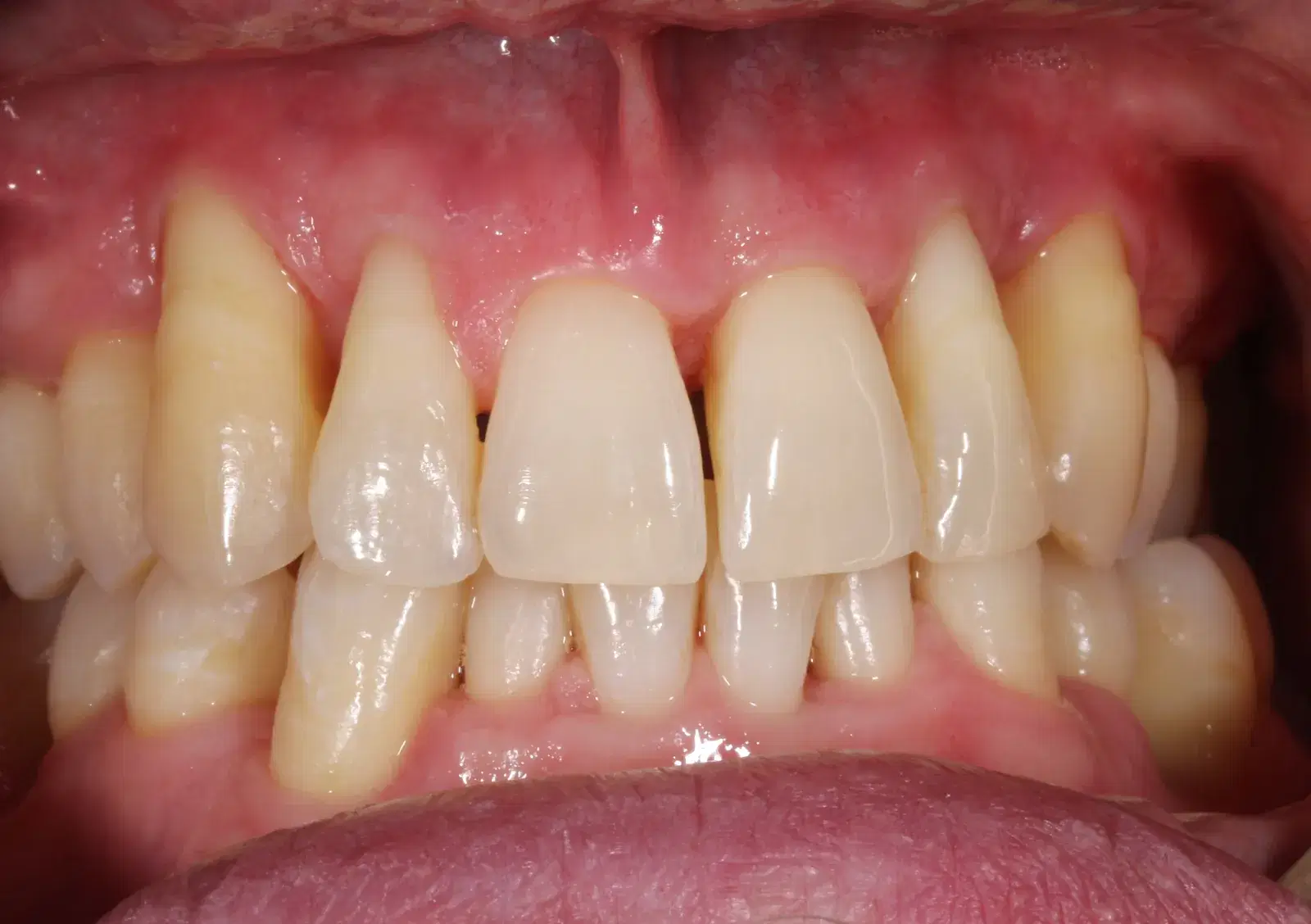
Periodontitis is a more advanced form of gum disease. Bacteria in plaque cause inflammation below the gum line, and the gum begins to pull away from the tooth, creating “pockets”. Toxins produced in these pockets can trigger an immune response that causes the supporting bone to be lost. Over time this leads to loose teeth, discomfort when eating, bad breath, infection and, ultimately, tooth loss. In its early stages it often goes unnoticed, which is why any bleeding should be checked — catching it early is essential to stopping its progression.

Most people experience mild gum disease at some point, but some are prone to more aggressive forms — and severe gum disease at a young age can run in families. Other factors raise the risk too, including poorly controlled type 2 diabetes, smoking, vaping and cardiovascular disease.

The first sign to watch for

Bleeding when you brush or floss is the earliest sign of gum inflammation. It’s easy to dismiss, but having it checked early is one of the best things you can do to protect your teeth.

Your treatment, step by step

  1. Non-surgical treatment

    The first stage removes biofilm (plaque, bacteria and toxins) along with hardened deposits, so the inflammation can settle and the pockets can heal. Using specialised equipment, we clean deep pockets you wouldn’t be able to reach at home. This is usually completed in one or two sessions under local anaesthetic for your comfort. In more severe cases, antibiotics or biomaterials may be used to support healing.

  2. Re-assessment

    After 8–12 weeks we fully reassess your gums, measuring pocket depths with a periodontal probe and checking for any bleeding. If deeper pockets remain, we’ll talk through further options, which may include regenerative treatment.

  3. Periodontal regeneration

    In more advanced cases, deeper pockets may only be resolved with surgery. Using proteins (such as Emdogain) or bone graft materials, we can rebuild bone lost to periodontitis. A very small part of the gum is gently lifted, the area thoroughly cleaned, the material applied, and the gum closed with fine stitches — usually under local anaesthetic alone. This is considered micro-surgery: the tissues heal quickly and most patients experience little to no discomfort afterwards.

  4. Aftercare & maintenance

    Long-term success depends on two things: your daily oral hygiene and regular professional care. Once your gums are stable, ongoing maintenance appointments — usually every three to six months — keep periodontitis from returning. With good home care and regular reviews, your result can last for the long term.

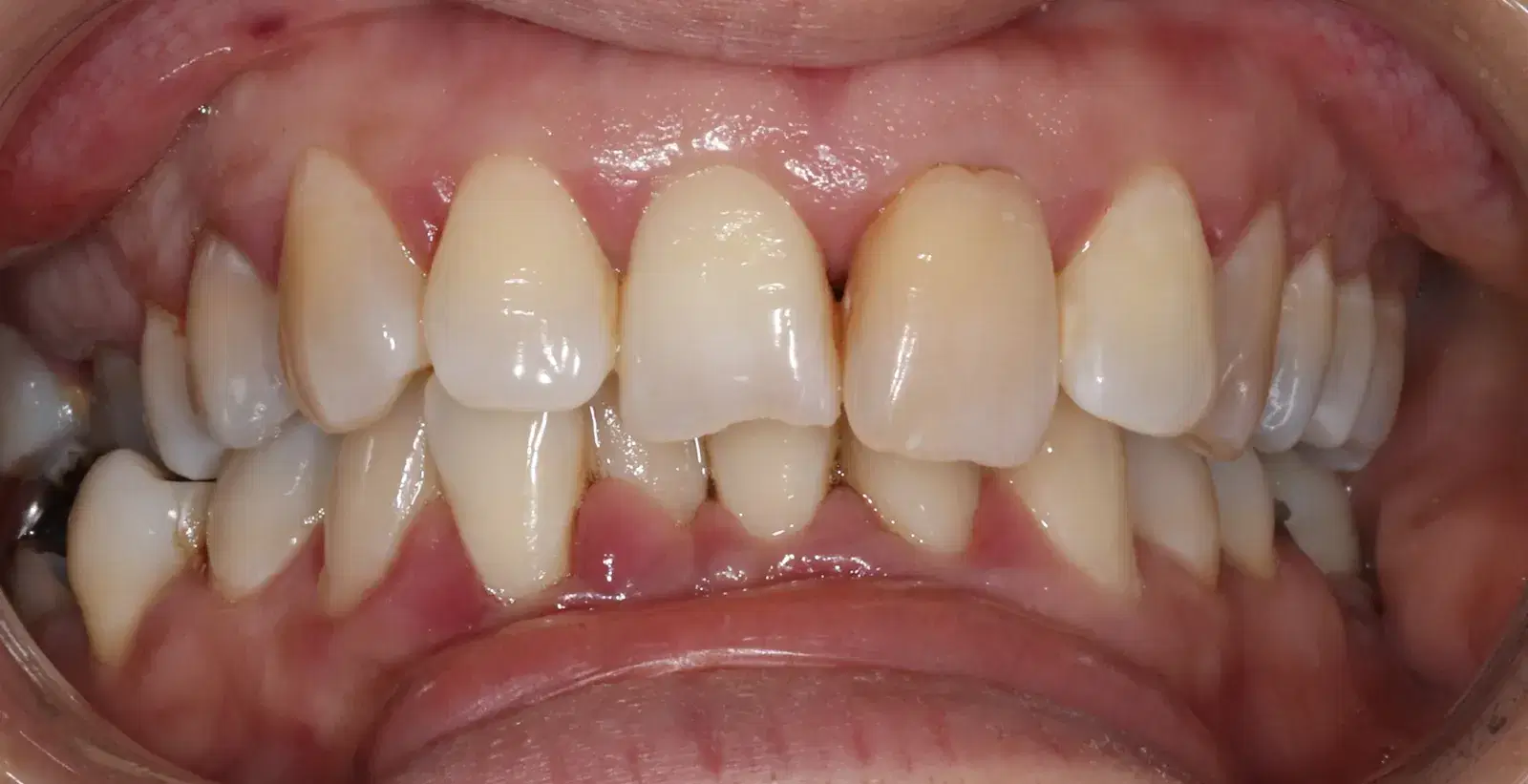
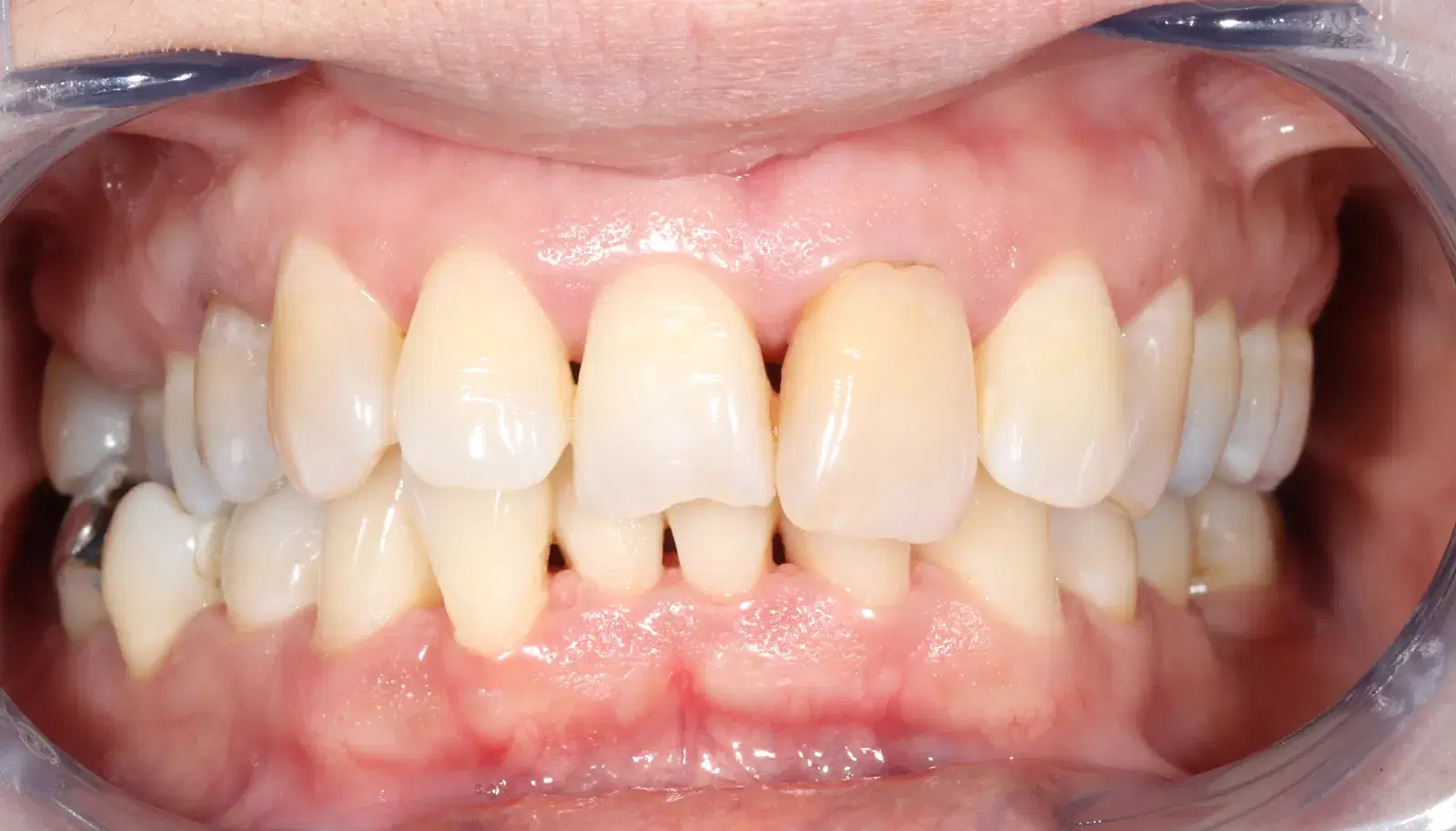
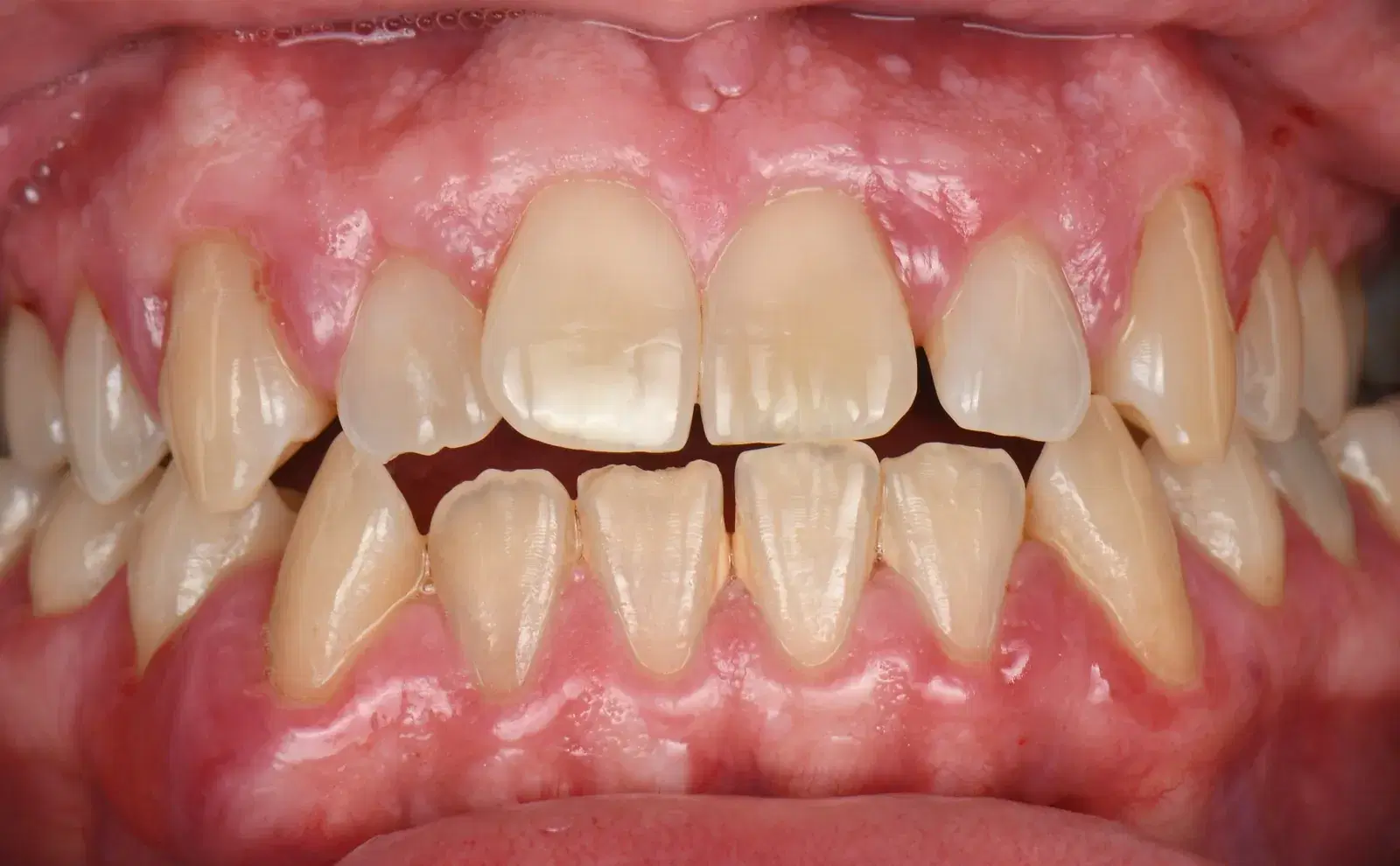
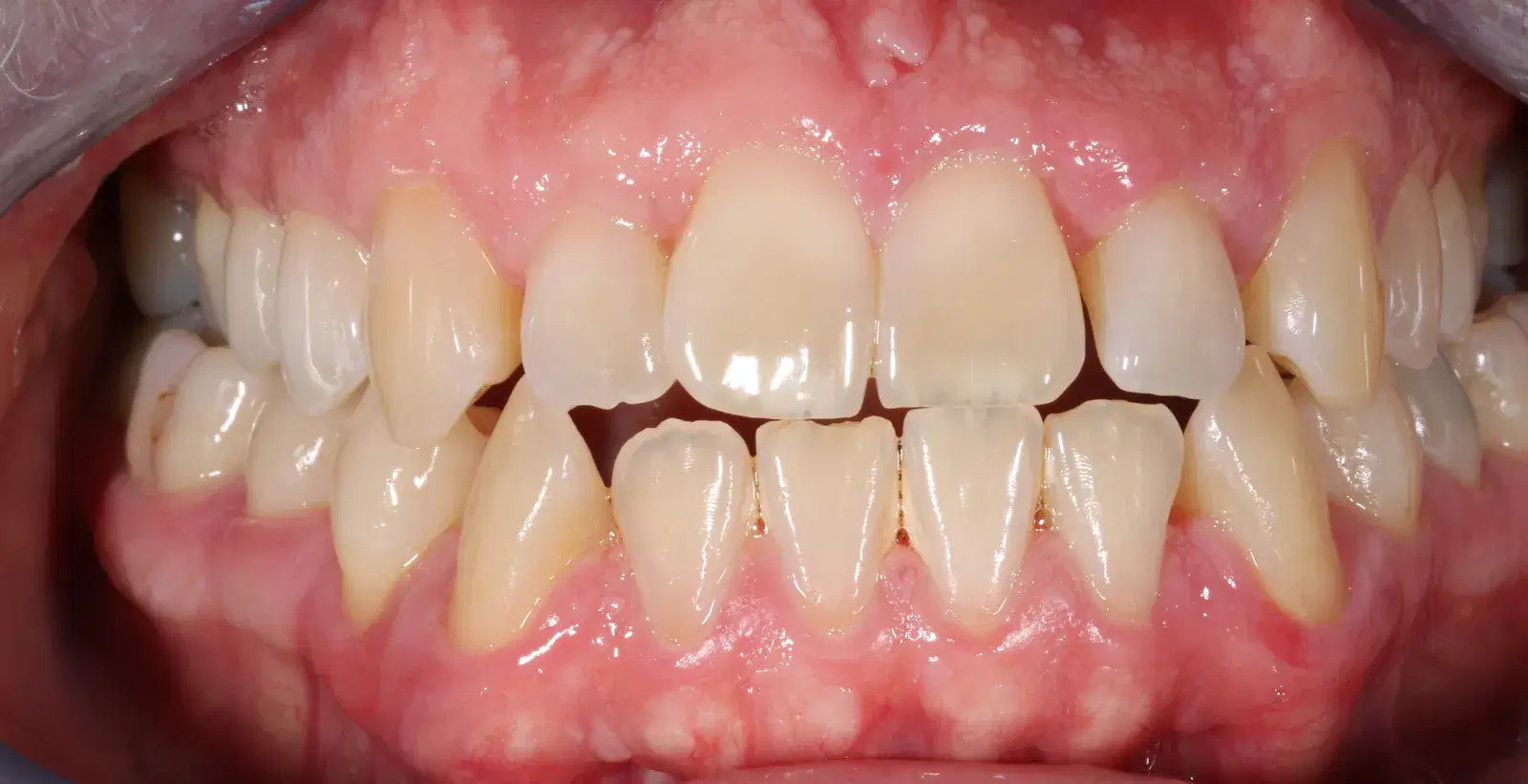
Before & After

Before
After

Periodontal Disease – Patient A

Before
After

Periodontal Disease – Patient B

Before
After

Periodontal Disease – Patient C

Take the first step

The first step towards healthier gums is simply booking an assessment. We’ll explain exactly what’s happening and talk you through your options — clearly and without pressure.

Prices from £675

A clear breakdown of costs is provided before any treatment begins.

Make an enquiry